
Mold Removal That Starts With the Moisture, Not the Stain
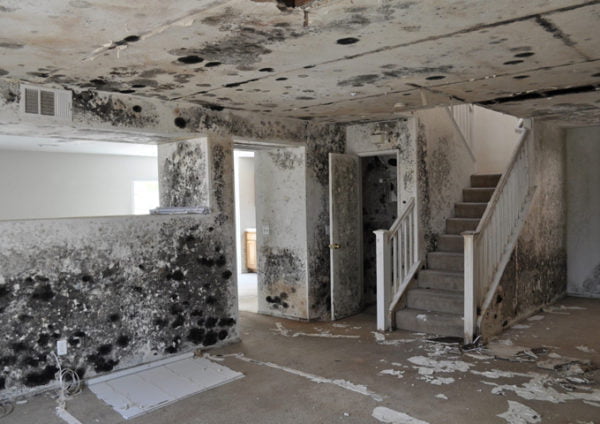
Mold does not show up on its own. It grows because something got wet and stayed wet: a slow leak, a damp basement, an ice dam, a bathroom with no exhaust fan, or a water loss that was never dried properly. Wiping the visible growth without fixing the moisture means it comes back.
RestorePro's mold team is trained and certified by the IICRC as Applied Microbial Remediation Technicians (AMRT). We identify the moisture source, evaluate the extent of the growth, contain the work area so spores do not spread through the house, remove the affected material, and dry and treat the space. Because we are also a water damage and reconstruction company, the same crew can fix the leak and rebuild the wall.
Mold Problems We Handle
- Basement and crawl space mold — The most common call in older New England homes with damp foundations.
- Mold after water damage — Leaks, floods, and burst pipes that were not dried fast enough.
- Hidden mold in walls and ceilings — Found with moisture meters and inspection, not guesswork.
- Bathroom, kitchen, and laundry room mold — Under sinks, behind cabinets, around tubs, and inside vanities.
- Attic mold — Poor ventilation, bath fans vented into the attic, and ice dam leaks.
- Mold after fire damage — Water used to put the fire out starts mold if the structure is not dried.
- Commercial mold remediation — Offices, rentals, and multi-unit buildings with documentation for property managers.
What To Do Right Now
Mold is a moisture problem first. Until we arrive, stop the water and stop spreading the spores.
- Find and stop the water source if you can: shut a valve, put a bucket under the leak, turn off the humidifier.
- Keep the door to the affected room closed.
- Run a dehumidifier in the area if you have one.
- Take photos of the growth and any water staining.
- Keep anyone with asthma, allergies, or a weak immune system out of the room.
What not to do
- Do not scrub or scrape it dry. That puts spores in the air.
- Do not spray bleach on drywall or wood. It does not penetrate and the water in it feeds the mold.
- Do not run fans that blow across the growth.
- Do not paint over it. It grows through.
We Handle the Insurance Claim With You
RestorePro works directly with every major insurance carrier serving New England. We handle the documentation, photo logs, dry logs, scope-of-work writing, and itemized billing required to support your claim from start to finish. You deal with one company from the first call through the final repair, because our construction supervisor licenses let us do the rebuild in-house instead of handing you off to another contractor.
Mold Remediation Near You
RestorePro is based in Woburn and serves Eastern Massachusetts and Southern New Hampshire, including:
Mold Remediation FAQ
Do I need a mold test first?
Not usually. If you can see it or smell it, it needs to be removed, and testing does not change that. Where testing matters is after remediation, to confirm the air is clear, or when you need documentation for a landlord, buyer, or insurer.
How is mold remediation different from mold removal?
Removal is wiping off what you can see. Remediation is finding the moisture source, containing the area, removing the contaminated material, treating the surfaces, drying the space, and fixing what caused it so it does not return.
Is mold covered by insurance?
Sometimes. Mold that resulted from a sudden covered water loss, like a burst pipe, is often covered up to a policy limit. Mold from long-term neglect or humidity usually is not. We document the cause either way.
How long does it take?
A contained area like a single bathroom or a section of basement wall usually takes one to three days. Larger jobs with rebuild take longer. We give you the plan after the inspection.
Can you fix what caused the mold?
Yes. We are a water damage, drying, and reconstruction company, not just a mold company. The crew that removes the mold can repair the leak, dry the structure, and rebuild the wall.
Is the mold in my house dangerous?
Any mold growing indoors should be removed. People with asthma, allergies, or weakened immune systems react most. You do not need to know the species to know it has to go.
Related Guides From Our Team
- How to Prevent Mold Under the Kitchen Sink
- How to Remove Mold From a Wood Cabinet
- Hidden Threats in the Walls—Signs You Need Mold Remediation Now
- Mold in the Cold – Why Mold Problems Don’t Disappear in Winter
- Managing Basement Humidity – Best Practices to Prevent Mold in Older New England Homes
- How To Remove Mold-Affected Wallpaper
Need help right now? Call 1-800-847-0114. A real person answers 24 hours a day, 7 days a week.