
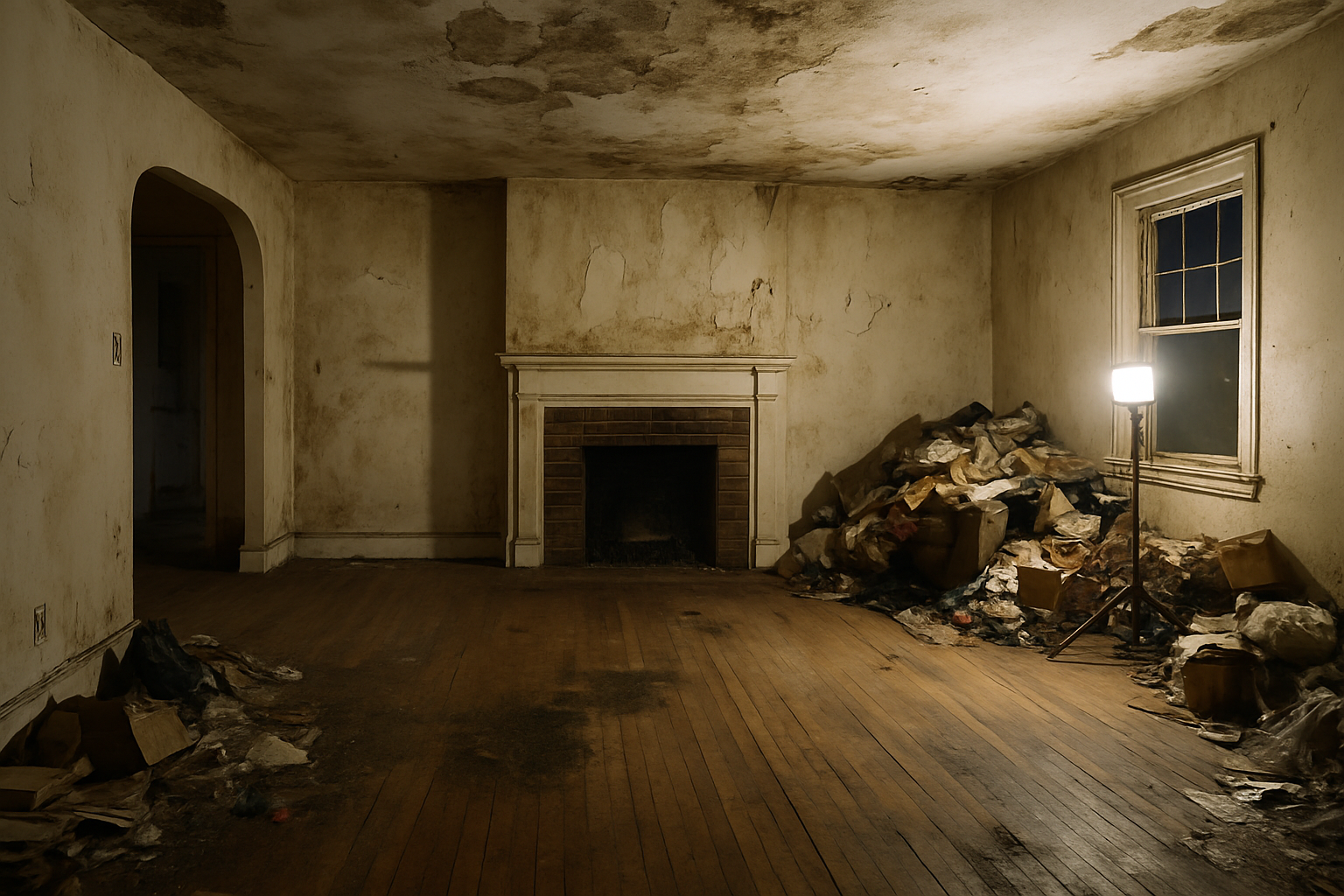
Hoarding situations present some of the most complex and emotionally charged biohazard cleanup challenges we encounter as restoration professionals. When years of accumulated materials, organic waste, and unsanitary conditions have built up inside a home, the work required goes far beyond ordinary cleaning — it demands trained technicians, specialized equipment, and a carefully structured process that addresses both safety and thoroughness. As a locally owned and operated restoration company serving Eastern Massachusetts and Southern New Hampshire since 1997, we want to walk you through exactly what professional biohazard hoarding cleanup looks like when our RestorePro team arrives at your door.
The first thing we do when we receive a call about a hoarding situation is conduct a thorough initial assessment of the property. This is not a quick walk-through. Our team evaluates the extent of accumulation, identifies the categories of biohazardous material present — which can include decomposing food, human or animal waste, pest infestations, mold colonies, and sometimes sharps or other hazardous substances — and maps out the structural condition of floors, walls, and ceilings beneath the debris. Properties in this condition frequently have hidden water damage or mold growth that has been trapped beneath layers of material for months or even years. This assessment shapes every decision we make about how to proceed safely.
Once the assessment is complete, our certified technicians suit up in full personal protective equipment before entering the work area. This includes respirators rated for biological contaminants, Tyvek suits, gloves, and eye protection. We establish containment zones to prevent cross-contamination from spreading to unaffected areas of the building. In severe hoarding cases, we may need to set up negative air pressure systems to control airborne particulates and odor during the removal process. Every step of our preparation is governed by OSHA guidelines and Massachusetts state regulations for biohazardous waste handling.
The removal process itself is methodical and staged. We work through the structure systematically, carefully sorting materials for disposal, salvage, or donation as directed by the property owner or their designated representative. Biohazardous waste — items contaminated with bodily fluids, waste, or vermin — is bagged, sealed, and removed using licensed waste disposal protocols. This is not a process that can be rushed or improvised. Disturbing accumulated organic material without proper containment can release harmful pathogens and mold spores into the air, creating health risks for everyone in the vicinity. This is a significant reason why attempting to clean a hoarding situation without professional help is never advisable.
With the debris cleared, we move into deep remediation of the surfaces beneath. Floors, walls, and substructures are treated with hospital-grade disinfectants and antimicrobial agents designed to eliminate bacteria, viruses, and fungal growth. In many hoarding cleanups, we discover that mold remediation is also required once the full scope of hidden moisture damage becomes visible. Our team is fully equipped to handle both biohazard cleanup and mold remediation as part of the same coordinated response. If you are curious about how biohazard cleaning differs from standard commercial cleaning services, our published article explains the distinction in detail.
Odor elimination is another critical phase that homeowners sometimes underestimate. Years of accumulation leave behind volatile organic compounds and microbial off-gassing that can persist long after visible debris is removed. We use industrial-grade air scrubbers, hydroxyl generators, and thermal fogging technology to neutralize odors at the molecular level rather than simply masking them. When underlying water damage has also contributed to persistent odor, our dehumidification equipment completes the drying process needed to prevent secondary mold growth. For properties where pet waste has contributed to the contamination, the remediation process shares important elements with what we cover in our article on why pet and sewage incidents require more than steam cleaning.
Fall is actually a common time we receive hoarding cleanup calls in Massachusetts. As temperatures drop and families prepare to winterize properties or settle estates before the holidays, situations that were managed or deferred through the warmer months come to the surface. Acting now, before winter sets in and conditions inside an already-compromised structure worsen, is always in the property owner's best interest.
Throughout the entire process, our team handles every aspect of a hoarding cleanup with discretion, professionalism, and genuine compassion. We understand that these situations often involve difficult family circumstances, and we treat every property and every client with respect. When the work is complete, we provide documentation of the remediation performed — which can be important for insurance purposes, estate proceedings, or code compliance with local Massachusetts municipalities.
If you are facing a hoarding cleanup situation at a home or property in Eastern Massachusetts or Southern New Hampshire, our team at RestorePro is ready to help. As a locally owned and operated company with nearly three decades of experience, we have the training, equipment, and dedication to restore the property safely and thoroughly. Call us any time at 1-800-847-0114, and follow us on Facebook at http://facebook.com/RestorePro911 for more restoration tips and updates from our team.
#HoardingCleanup #BiohazardCleanup #MassachusettsRestoration #HoardingRemediation #RestoreProInc