When a basement floods or a pipe bursts, it’s tempting to grab a wet vac, open the windows, and try to fix the damage yourself. But flood cleanup is far more complex than mopping up visible water. In fact, what you don’t see poses the greatest risk to your health, your home’s structure, and your finances.
We’ve responded to countless properties where DIY flood cleanup made the situation worse. Water from floods and plumbing failures doesn’t just stay on the surface. It seeps through flooring, into subfloors, behind drywall, and into hidden cavities. If not addressed quickly and correctly, this moisture can cause mold growth, rot, and structural weakening within days.
Time is critical in any water damage event. The first 24 to 48 hours are when professional-grade drying must begin. Without it, materials like wood framing, insulation, and drywall begin to break down. Carpet and padding absorb large amounts of water, making them breeding grounds for mold spores. DIY methods—like household fans or towels—simply can’t reach the trapped moisture inside walls and beneath floors.
One of the biggest issues with DIY cleanup is the lack of moisture detection. Water may have traveled several feet from the apparent source, soaking into areas you might not check. We use thermal imaging and moisture meters to map exactly where water has spread. Without these tools, homeowners often miss spots that later develop mold or damage.
There’s also a significant difference between clean water and contaminated water. Many people assume if the source is a broken pipe or rain, it’s safe. But once water comes into contact with flooring, drywall, or insulation, it becomes a biohazard risk. Water from toilets, dishwashers, or even heavy rain entering basements can carry bacteria, viruses, and chemicals. Proper protective gear and decontamination protocols are essential.
Mold growth is a major danger in DIY attempts. Mold can begin forming in under 48 hours in damp environments, especially in summer or humid climates. Once spores take hold, they spread fast—into walls, HVAC systems, and furniture. Homeowners who dry their space “enough” but skip professional dehumidification often experience recurring musty smells and visible mold just weeks later.
In addition to health risks, structural risks are real. Wet drywall loses its integrity. Wood subfloors can warp and swell. Metal fasteners rust, and electrical systems can be compromised. DIY cleanup rarely addresses the full extent of these dangers.
We also see insurance complications. Many policies require documentation of professional mitigation efforts to approve a claim. If homeowners attempt their own cleanup and damage worsens, insurance may deny coverage on the grounds that proper steps weren’t taken. Hiring licensed professionals ensures the job is done right—and fully documented.
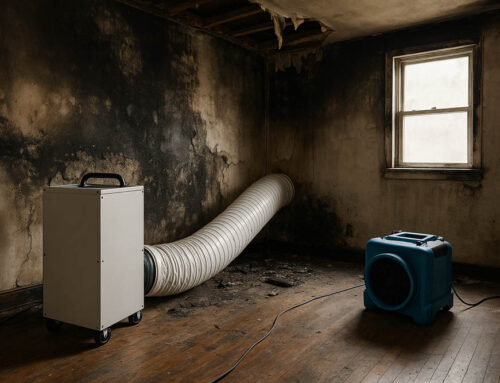
Professional flood cleanup isn’t just water extraction. It includes antimicrobial treatment, dehumidification, structural drying, air filtration, and often, reconstruction. We use commercial-grade dehumidifiers and air movers to create a controlled drying environment, monitoring progress with digital tools.
Ultimately, while it may feel empowering to handle water damage yourself, the long-term consequences of missed moisture and contamination can cost thousands more than professional help would have. The risks to your health and home are simply too great.
Don’t gamble with your safety or your investment. Let certified experts restore your space safely and completely.
Contact RestorePro at 1-800-847-0114 or visit our Facebook page to get professional help after flooding or water damage.
#FloodCleanupHelp #WaterExtractionExperts #MoldPreventionMatters