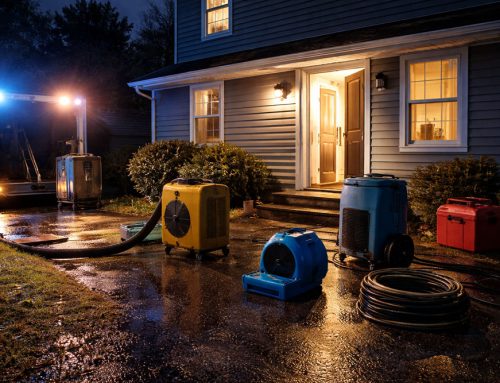
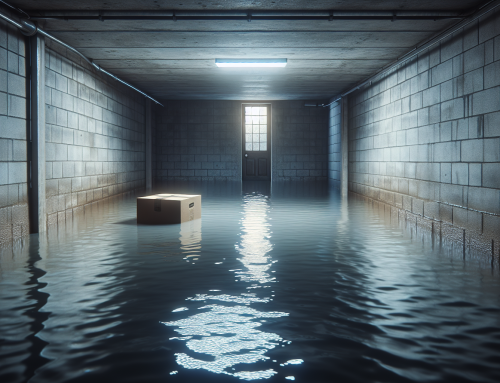
Storms in New England don’t just pass through—they leave a trail of potential hazards behind. From driving rain and snow to high winds and ice, these weather events can weaken your property’s structure in ways that aren’t always obvious. That’s why having a clear post-storm recovery checklist is essential for catching hidden issues before they turn into costly damage.
The first priority after a storm is safety. Avoid downed power lines, stay clear of floodwater, and be cautious around damaged structures. Once it’s safe, begin with a thorough exterior inspection. Walk the perimeter of your home or building and look for signs of visible damage: fallen branches, missing shingles, broken windows, and sagging gutters can all be indicators of larger problems.

Pay close attention to the roof. Even if there’s no visible breach, wind-driven rain or ice dams can cause water to seep under shingles or flashing. This leads to slow leaks that may go unnoticed until mold or staining appears weeks later. If you suspect roof damage, it’s best to bring in professionals who can safely inspect and repair it before water finds a way in.
Gutters and downspouts should be checked next. Debris buildup or detachment can cause water to back up and pool around the foundation. Over time, this can weaken structural integrity and lead to basement flooding or foundation cracks. Ensure all channels are clear and draining properly away from the home.
Windows and doors should seal tightly. Strong winds can compromise caulking or frames, allowing moisture to enter the walls and insulation. Even minor gaps can lead to major mold growth in the months that follow.
Inside the home, inspect ceilings, attics, and basements for discoloration, dampness, or musty smells—all warning signs of water intrusion. Electrical systems should also be evaluated if flooding occurred. Water and wiring do not mix, and lingering moisture can create hidden fire risks down the line.
If you experience flooding, whether from rising water or backed-up drains, act quickly. Standing water creates the perfect conditions for mold growth and bacterial contamination. We provide water extraction, sanitation, and structural drying to ensure nothing is left behind that could harm your health or your property value.
Document everything. Take photos of all visible damage, make note of affected areas, and contact your insurance company promptly. When restoration is handled professionally, we also provide detailed reports and documentation to support insurance claims.
The days after a storm are crucial for identifying and resolving issues before they escalate. Acting fast reduces health risks, lowers repair costs, and restores peace of mind.
To learn more about protecting your home after a storm, visit FEMA’s Storm Recovery Resources or Ready.gov Storm Safety.
Contact RestorePro at 1-800-847-0114 or visit our Facebook page to schedule a post-storm property assessment and ensure your recovery is complete and professional.
#StormDamageRepair #PropertyInspection #PostStormChecklist