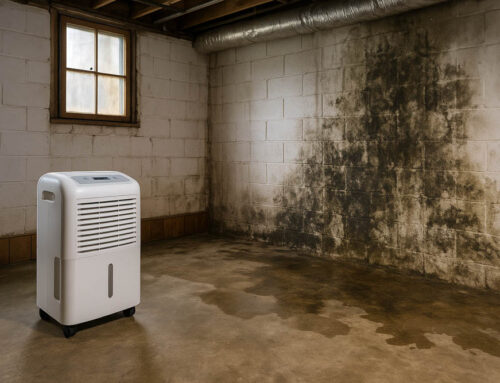
As temperatures drop, the risk of water damage rises—especially for homes and buildings not fully prepared for winter conditions. Cold weather introduces unique stressors to plumbing systems and structural materials, often leading to burst pipes, ice damming, and hidden moisture damage that goes unnoticed until spring.
Frozen pipes are the most common culprit of winter-related water damage. When water freezes, it expands, putting pressure on pipe walls. Even a small amount of freezing can create enough force to crack pipes, especially those located in uninsulated areas like basements, crawlspaces, attics, and exterior walls. When the ice melts, water flows freely through the break, often flooding the surrounding area before it’s discovered.
We see a sharp increase in emergency calls during cold snaps, many involving second homes or unoccupied buildings where routine monitoring is limited. Without proper heating or insulation, interior temperatures can drop quickly, turning a minor issue into a major disaster.
Ice dams are another common winter hazard. When snow accumulates on rooftops and begins to melt due to uneven heating, water can refreeze at the eaves, forming a barrier that prevents proper drainage. This trapped water can back up under shingles and leak into ceilings, walls, and insulation—leading to widespread damage and mold growth.
Cold weather also slows evaporation, making drying more difficult. Wet materials remain saturated longer, increasing the chance of mold growth and structural weakening. Winter storms often combine wind-driven rain with freezing conditions, resulting in moisture intrusion through cracks, soffits, and poorly sealed windows.
Professionally addressing cold-weather damage starts with a full moisture assessment, including thermal imaging and humidity testing. We look for signs of hidden leaks, damp insulation, and ice damage that might otherwise be overlooked during visual inspections.
Prevention is just as important. We help homeowners and property managers understand where insulation or sealing improvements are needed and offer winterization tips for plumbing systems. This includes draining outdoor lines, protecting crawlspaces, and maintaining consistent indoor temperatures—even when properties are unoccupied.
The Insurance Institute for Business & Home Safety recommends inspecting plumbing and roofing systems before each winter to reduce the risk of freezing-related losses. Early preparation can prevent thousands of dollars in water damage and months of restoration work.
When winter strikes, we’re ready to respond. Whether it’s a burst pipe, hidden attic leak, or moisture buildup behind frozen walls, we restore properties quickly and thoroughly to avoid long-term consequences.
Contact RestorePro at 1-800-847-0114 or visit our Facebook page to take the first step toward restoring your home or business safely and efficiently.
#WinterWaterDamage #ColdWeatherRisks #PlumbingProtection