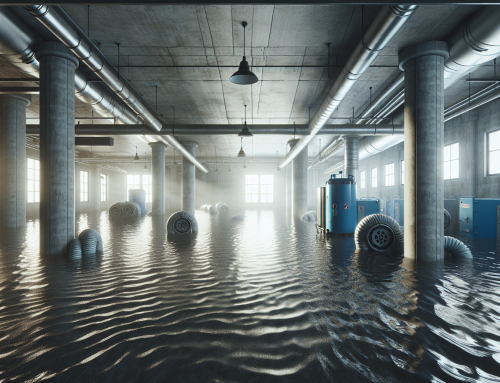
Sewage backups are one of the most hazardous issues a property owner can face. The immediate mess and odor are bad enough, but the real damage often lies in what isn’t visible at first glance. Waiting too long to address a sewage backup can lead to extensive structural damage, toxic mold growth, and serious health risks. The longer the problem sits, the more it costs—in time, money, and safety.
Our team has seen firsthand how quickly sewage backup can escalate from a plumbing issue to a full-scale property emergency. It doesn’t just affect flooring and walls—it seeps into drywall, insulation, and personal belongings, saturating them with contaminated water that contains harmful bacteria and viruses. Without swift professional intervention, these contaminants can linger and spread, putting everyone in the building at risk.
Sewage water is classified as Category 3 water, also known as “black water.” This type of contamination is highly unsanitary and can cause severe illness. Exposure to black water may result in gastrointestinal infections, respiratory problems, and skin irritation. Common pathogens in sewage include E. coli, Hepatitis A, Salmonella, and Norovirus. Only trained professionals with the proper protective equipment and cleanup protocols should handle this type of biohazard.
Beyond health concerns, the structural damage from delayed cleanup is costly. Once sewage soaks into flooring, subflooring, baseboards, and drywall, these materials often need full removal and replacement. Mold begins growing in as little as 24 to 48 hours, compounding the problem. Mold remediation alone can be a substantial expense—especially in older buildings or homes with hidden cavities where moisture can hide.
Carpet and padding typically cannot be salvaged after a sewage event, and hardwood floors warp and crack when exposed to moisture for long periods. Laminate and vinyl flooring also peel or buckle, leading to expensive floor replacement. Worse yet, if sewage reaches electrical outlets or wiring, it can create long-term safety issues requiring professional electrical repairs.
Attempting a DIY cleanup in these situations not only puts your health at risk—it’s also ineffective at fully decontaminating the space. Store-bought cleaning agents aren’t powerful enough to disinfect Category 3 water exposure. On the other hand, certified restoration professionals use commercial-grade disinfectants, dehumidifiers, and air scrubbers to eliminate bacteria, dry affected areas thoroughly, and restore safe air quality.
There’s also the issue of insurance. Many property insurance policies require documentation and professional validation of damages for coverage to apply. Homeowners or business owners who skip professional service might not be fully reimbursed for restoration or repair costs. Hiring an experienced restoration team ensures that proper photos, reports, and insurance-ready documentation are provided.
Proactive steps can also prevent backups from happening in the first place. We always recommend backwater valve installations for vulnerable basements and routine sewer line inspections, especially in older homes or commercial buildings. These preventative measures are significantly less expensive than the cost of a full restoration after a backup occurs.
In the end, acting fast and hiring professionals saves more than just money—it preserves your health, protects your property, and gives you peace of mind. Sewage backup is not just a cleanup job; it’s a serious restoration challenge that requires certified expertise and immediate attention.
Contact RestorePro at 1-800-847-0114 or visit our Facebook page to take the first step toward a safe, clean environment.
#SewageCleanup #WaterDamageRestoration #ProfessionalRemediation