When winter hits New England, we often focus on heating, insulation, and snow removal. But there’s another seasonal concern that can quietly cause thousands of dollars in damage—winter water damage. The risks don’t wait for springtime flooding. In fact, many of the most serious water issues begin while the ground is still frozen.
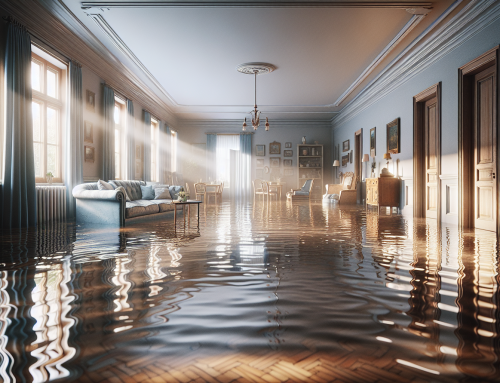
During the colder months, water damage can be deceptively hidden. Snow accumulation on roofs, ice dams, frozen pipes, and poorly sealed foundations can all lead to water infiltration that may not be discovered until it’s too late. By the time the snow starts to melt, that trapped moisture has often already begun its work—weakening materials, inviting mold growth, and affecting structural integrity.

One of the biggest culprits is frozen pipes. When water freezes, it expands, and if it’s trapped in a pipe with no outlet, it can cause that pipe to burst. Unfortunately, these breaks often go unnoticed until temperatures rise and water begins to leak or flood into crawl spaces, basements, or behind walls. That’s why it’s crucial to have plumbing systems inspected and insulated well before temperatures dip.
Ice dams are another hidden threat. As heat escapes through your roof, it melts snow which then refreezes at the edge, forming a dam. Water behind that dam has nowhere to go but under your shingles. It seeps into ceilings and walls, damaging drywall, insulation, and wiring—all of which require professional restoration to ensure safety and prevent mold.
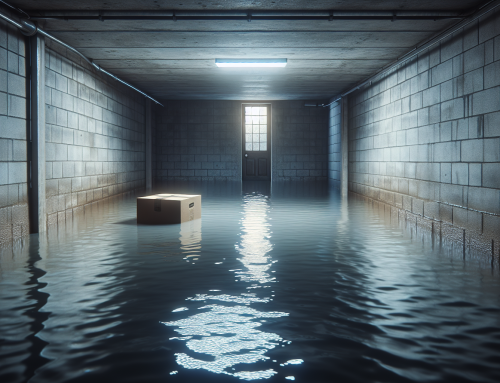
Cracks in foundations or gaps in older homes also become entry points for melting snow and rain. Water finds even the smallest paths to move through, and what starts as a minor leak can result in major water intrusion over time. Once moisture settles in, mold doesn’t take long to follow—especially in attics, basements, and wall cavities.
Rather than waiting for signs of water damage to appear—like stains, smells, or soft walls—taking action now is the best defense. This includes ensuring proper attic ventilation, gutter maintenance, sealing gaps and cracks, and scheduling professional inspections.
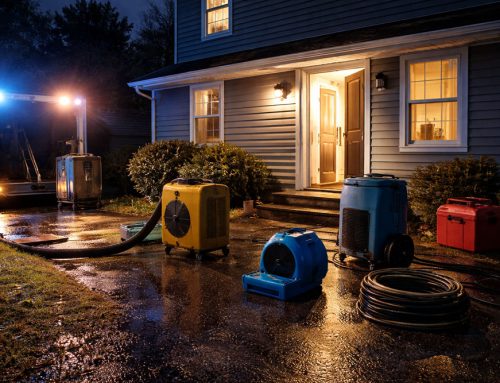
If water damage does occur, acting quickly is essential. Professional water damage restoration goes far beyond removing puddles and drying surfaces. It includes moisture detection, sanitation, dehumidification, and full repair of compromised materials. This is especially important in winter, when dampness can linger and contribute to mold before temperatures warm up.
We’ve seen firsthand how delayed action turns a minor issue into a full-scale restoration project. The key is proactive prevention and a fast, expert response when something does go wrong. Winter can be unpredictable—but your protection plan doesn’t have to be.
For more information on the health effects of mold, visit CDC Mold Facts or explore Ready.gov’s winter safety tips.
Contact RestorePro at 1-800-847-0114 or visit our Facebook page to take the first step toward protecting your home before winter damage becomes a disaster.
#WaterDamagePrevention #WinterRestoration #EmergencyResponse