When a fire damages a property, extinguishing the flames is only the beginning. One of the most stubborn and overlooked consequences is the lingering smell of smoke. It clings to walls, ceilings, insulation, fabrics, and even HVAC systems. For property owners, it’s not just unpleasant—it’s a sign of hidden contamination that can affect health and air quality if not addressed professionally.
We’ve seen the impact of post-fire odor in both residential and commercial spaces. The reason smoke odor is so persistent lies in the nature of the fire itself. During a fire, materials like wood, plastic, rubber, and synthetic fabrics release tiny particles and chemicals into the air. These particles—known as volatile organic compounds (VOCs)—are what we smell. They settle deeply into porous materials and can be reactivated by heat or moisture, causing the smell to return long after cleaning.
DIY methods like air fresheners or surface scrubbing only mask the odor temporarily. They don’t remove the particles embedded in building materials or furnishings. In some cases, improper cleaning methods can actually drive smoke deeper into surfaces, making the problem worse.
Effective smoke odor elimination begins with a thorough assessment of the affected areas. We use specialized equipment to detect and measure smoke penetration—far beyond what’s visible to the naked eye. This includes thermal imaging cameras, moisture meters, and air quality sensors that identify which parts of the structure have absorbed smoke.
Next, professional remediation teams remove all visibly damaged materials, including insulation, drywall, and carpeting, if necessary. Any porous or charred material that retains odor must be taken out to prevent recontamination. Once demolition is complete, the remaining structure is cleaned using dry ice blasting, soda blasting, or HEPA vacuuming to lift soot and particles from surfaces without spreading them.
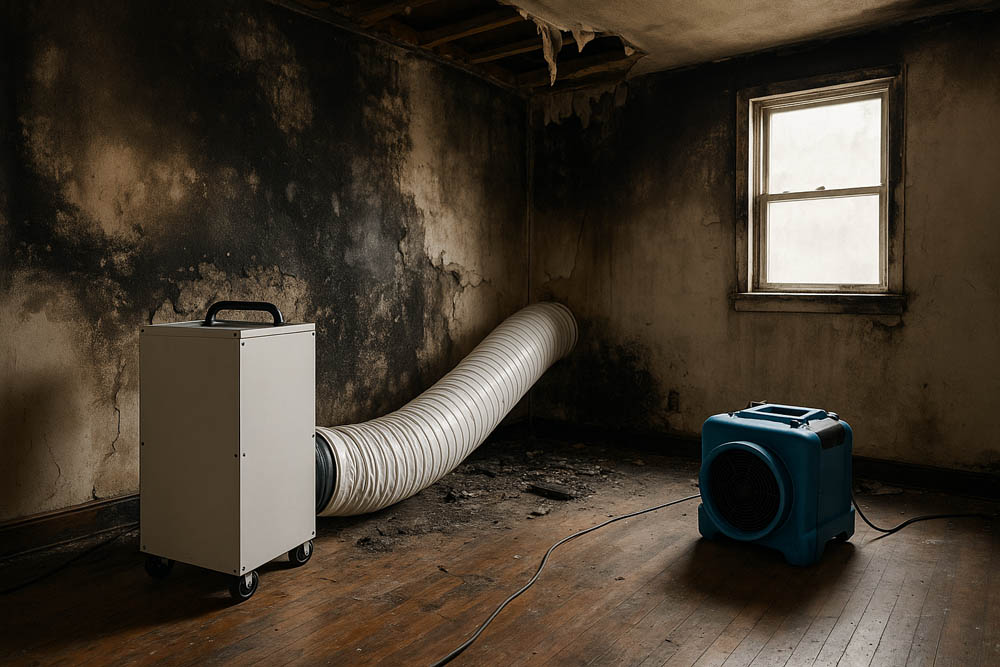
After cleaning, we apply odor-neutralizing treatments. This isn’t the same as using scented sprays or ozone machines alone. We use hydroxyl generators, thermal fogging, and enzyme-based deodorizers designed to break down the odor molecules themselves, not just cover them up. These methods are safe for occupied buildings and highly effective in removing odors from deep within materials.
One of the most important but overlooked steps is HVAC cleaning. Smoke particles circulate through vents and ductwork, where they can lodge and reintroduce odor into clean rooms. We thoroughly clean and sanitize HVAC systems, including air handlers, coils, and filters, to ensure the entire air circulation system is odor-free.
Post-fire odor isn’t just a comfort issue—it’s a health concern. Lingering smoke contains carcinogens and respiratory irritants. Exposure can aggravate asthma, allergies, and chronic sinus conditions. Children, the elderly, and individuals with compromised immune systems are especially at risk. This is why professional odor removal is critical after any size fire.
We also help clients navigate insurance claims, providing documentation, photos, and proof of professional odor remediation. Insurance companies often require certified remediation for coverage to apply, especially when odor affects property value or habitability.
If your property has suffered fire damage, don’t settle for temporary fixes. The smell of smoke is more than an annoyance—it’s a signal that hidden contaminants remain. Let trained professionals restore clean air, safe spaces, and peace of mind.
Contact RestorePro at 1-800-847-0114 or visit our Facebook page to schedule a professional post-fire odor assessment.
#SmokeOdorRemoval #FireDamageRestoration #SafeAirQuality