
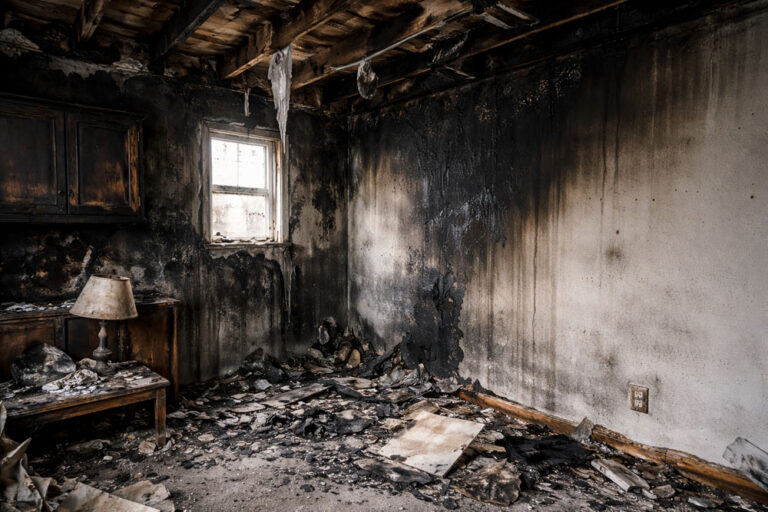
When a fire is extinguished, many people assume the danger is over. But the reality is, the damage left behind by smoke and soot can be just as destructive—if not more so—than the flames themselves. Understanding what happens after the fire is out is crucial to fully restoring a home or business and ensuring it’s safe for occupancy.
Smoke and soot are byproducts of incomplete combustion, meaning not everything burned cleanly during the fire. This leaves behind microscopic particles that embed themselves into walls, ceilings, ductwork, furniture, and fabrics. These residues are acidic and corrosive, continuing to cause damage long after the fire is gone.
Soot can discolor walls, tarnish metal surfaces, and eat away at wood, plastics, and electronics. It doesn’t simply sit on the surface—it penetrates deep into materials, creating odors that linger and weaken structural components over time. In just hours, smoke damage can permanently stain porous materials like tile grout, wallpaper, and upholstery.
The smell of smoke is another lasting issue. It's more than unpleasant—it’s a sign that harmful particles are still in the air or embedded in materials. Smoke odor removal requires specialized equipment like ozone generators or hydroxyl machines, along with thorough cleaning and deodorization.
There are also serious health risks involved. Breathing in soot and smoke particles can irritate the lungs and eyes, trigger asthma or allergies, and introduce toxic compounds like benzene and formaldehyde into indoor environments. Children, older adults, and individuals with respiratory conditions are especially vulnerable.
That’s why professional fire damage restoration isn’t just about repairs—it’s about comprehensive recovery. Our team starts by assessing the full extent of both visible and hidden damage. This includes inspecting HVAC systems where smoke often settles and spreads, even into rooms untouched by flames.
We then move quickly to remove soot and clean all affected surfaces using methods tailored to each material. From dry sponging and thermal fogging to deep HEPA vacuuming and chemical cleaning, our tools are designed for precision and safety. We also manage demolition and disposal when certain materials—like insulation or drywall—can’t be salvaged.
Timing is critical. The longer smoke and soot sit, the more they absorb and deteriorate everything they touch. Acting fast prevents secondary damage and can drastically reduce the cost of restoration. It also helps homeowners return safely and confidently to their space.
A fire event is traumatic, but the aftermath doesn’t have to drag on. Our focus is on restoring not just the structure but the peace of mind that comes with knowing your home is clean, safe, and truly recovered.
To learn more about fire and smoke risks, visit Ready.gov’s Fire Damage page or the EPA’s guidance on soot exposure.
Contact RestorePro at 1-800-847-0114 or visit our Facebook page to schedule a full fire damage assessment and recovery plan today.
#FireDamageRestoration #SmokeCleanup #SafeHomeRecovery