
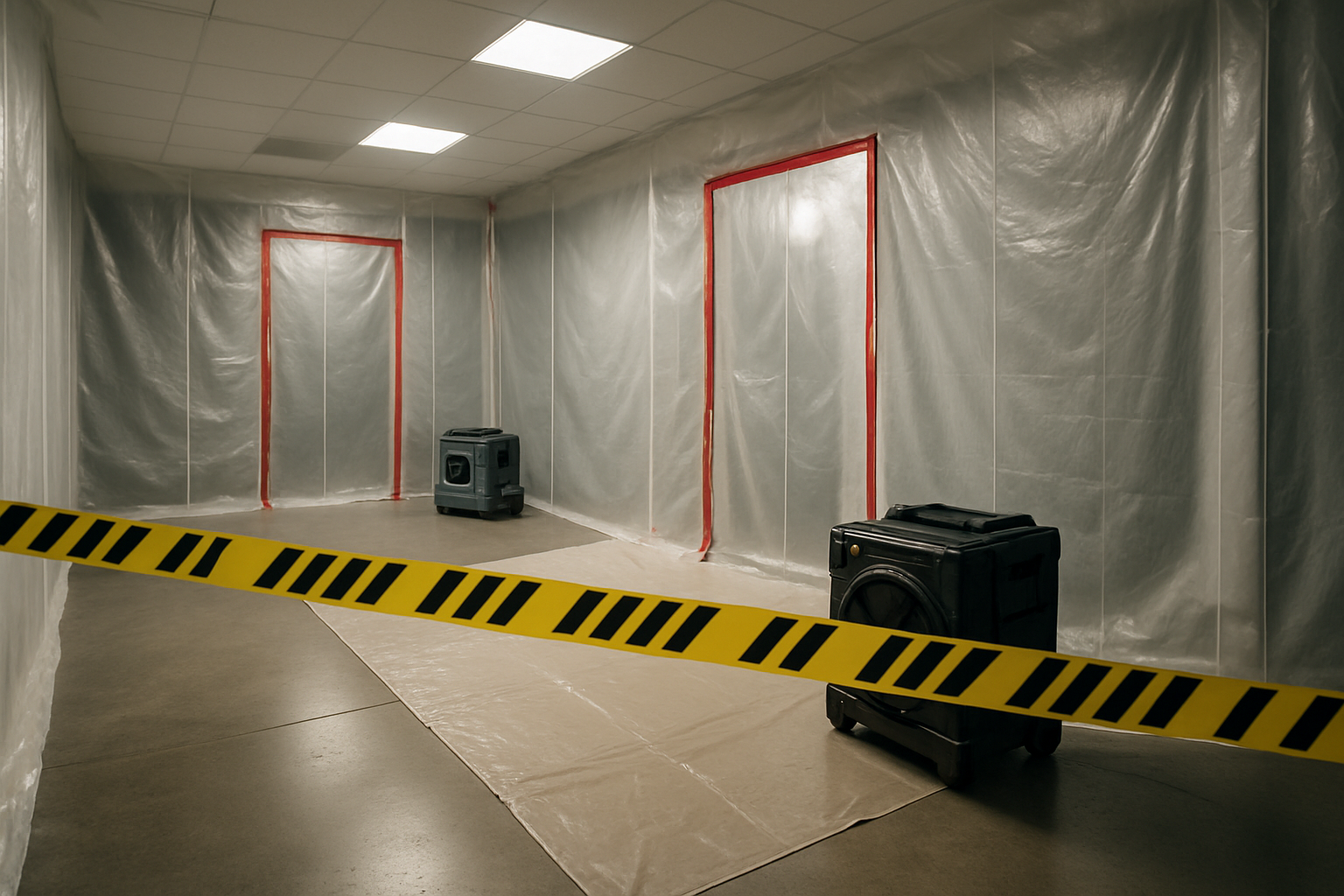
When a property is affected by a traumatic event, infectious contamination, or hazardous material exposure, the response required goes far beyond what any standard janitorial or commercial cleaning service can provide. Biohazard cleaning is a specialized discipline that demands professional training, regulated disposal procedures, and industrial-grade protective equipment — and understanding the difference between biohazard cleaning and routine commercial cleaning can be the most important distinction a property owner makes in protecting the health and safety of everyone who enters that building.
As a locally owned and operated restoration company serving Eastern Massachusetts and Southern New Hampshire since 1997, we at RestorePro Inc. respond to some of the most serious and sensitive contamination situations imaginable. What we bring to those situations is fundamentally different from anything a standard cleaning crew is equipped or legally authorized to handle.
The most critical distinction comes down to what is actually being removed. Standard commercial cleaning addresses dirt, dust, grease, and surface grime. Biohazard cleaning addresses materials that are classified as dangerous to human health — blood, bodily fluids, sewage backflows with pathogenic bacteria, chemical contamination, and biological matter from traumatic events or unattended deaths. These materials can harbor pathogens including hepatitis B, hepatitis C, HIV, MRSA, and a wide range of bacterial and viral agents that survive on surfaces far longer than most people realize. A mop and a bottle of commercial disinfectant are not sufficient — and in many cases, attempting to clean these materials without proper containment can actively spread contamination rather than eliminate it.
Our biohazard cleaning process begins with a thorough assessment of the affected area before any cleaning begins. We identify the full extent of contamination, which often extends beyond what is immediately visible. Blood and biological fluids can penetrate porous materials like flooring, drywall, and subflooring, meaning that surface cleaning alone leaves active contamination behind. We use moisture detection tools, UV lighting, and professional-grade testing to map the true boundaries of the affected zone before we ever begin remediation.
Personal protective equipment is another area where biohazard cleaning stands in a completely different category from standard services. Our technicians wear full Tyvek suits, respiratory protection rated for biological and chemical exposure, double-glove protocols, and eye protection — all regulated under OSHA's Bloodborne Pathogens Standard (29 CFR 1910.1030). Standard cleaning crews are not trained to these standards and are not equipped or insured for this type of exposure. Sending an unprepared cleaning team into a biohazard situation puts workers at serious risk and creates legal liability for property owners.
Disposal is where the regulatory complexity of biohazard cleaning becomes especially clear. Contaminated materials — soiled flooring, affected building materials, protective gear used during cleanup — must be bagged, labeled, and transported according to state and federal biohazardous waste regulations. In Massachusetts, this means compliance with MassDEP guidelines for infectious waste disposal. We manage the entire chain of custody for all contaminated materials, ensuring they reach licensed disposal facilities. A commercial cleaning service does not hold the permits or disposal contracts required to handle this material legally.
We also apply hospital-grade disinfectants and antimicrobial treatments that are EPA-registered specifically for pathogen elimination on the relevant surface types. After physical removal of contaminated materials, we conduct air quality treatment and odor neutralization using professional fogging and hydroxyl generator technology — tools that standard cleaning services simply do not carry.
For property owners who have also experienced sewage contamination, it is worth understanding that the biohazard cleanup process after a trauma or unattended death follows a similarly rigorous remediation protocol, one that requires the same level of regulatory compliance and professional expertise we bring to every job.
The environment we restore also matters greatly. Whether the situation occurs in a residential home, a commercial office, a retail space, or a multi-use building, the standard of care we apply does not change. We understand that beyond the physical cleanup, our clients are often dealing with emotionally difficult circumstances, and we approach every job with discretion, professionalism, and respect for the people involved.
This fall, as buildings are being closed up for the season and ventilation decreases, contamination events in enclosed spaces can escalate more rapidly. Reduced airflow concentrates airborne pathogens and accelerates the spread of biological materials into HVAC systems and shared ductwork — another reason why calling a certified biohazard cleaning team immediately is always the right decision.
If you are facing a biohazard situation in your home or commercial property, do not call a standard cleaning service and hope for the best. Call the professionals who are trained, certified, equipped, and permitted to handle it correctly. RestorePro Inc. is available 24 hours a day, 7 days a week, across Eastern Massachusetts and Southern New Hampshire. Reach us at 1-800-847-0114 or connect with us on Facebook at http://facebook.com/RestorePro911. When it matters most, experience and proper credentials make all the difference.
#BiohazardCleaning #BiohazardRemediationMassachusetts #ProfessionalBiohazardCleanup #RestoreProInc #MassachusettsRestoration